
ChatGPT is great for quick, conversational replies, but it isn’t the right tool for detailed long-form content. Here’s why, with test results, and a better approach, especially reason #5.
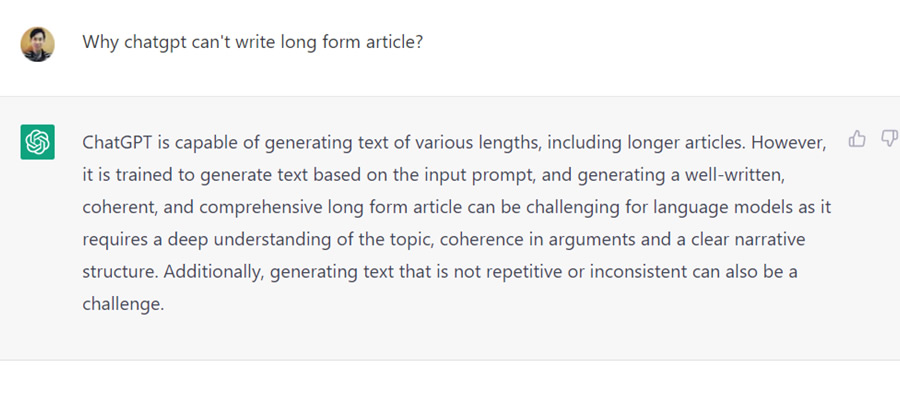
What ChatGPT is
ChatGPT is an OpenAI natural-language model that generates short, conversational responses from a prompt. It draws on pre-trained data (GPT-3.5) and uses context from earlier turns to answer in real time, which made it popular with developers, marketers, and businesses. The quality of its reply depends heavily on the quality of the prompt: a clear, well-structured prompt yields a tighter answer, while a vague one produces shallow, inconsistent output.
Five limits for long-form articles
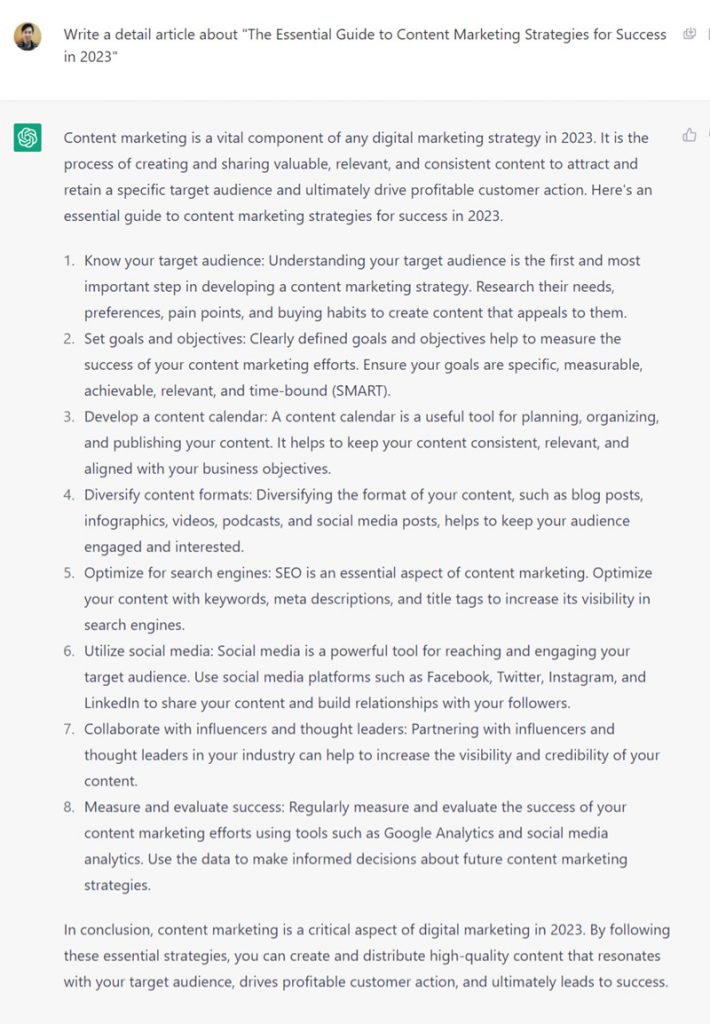
1. Length. ChatGPT is built for short responses, so it tops out around 500 to 600 words even with detailed prompts. Tested on “The Essential Guide to Content Marketing Strategies for Success in 2023,” it returned about 350 words without much depth. Asking it to expand each point and stitch them together is slow and leaves paragraphs disconnected.
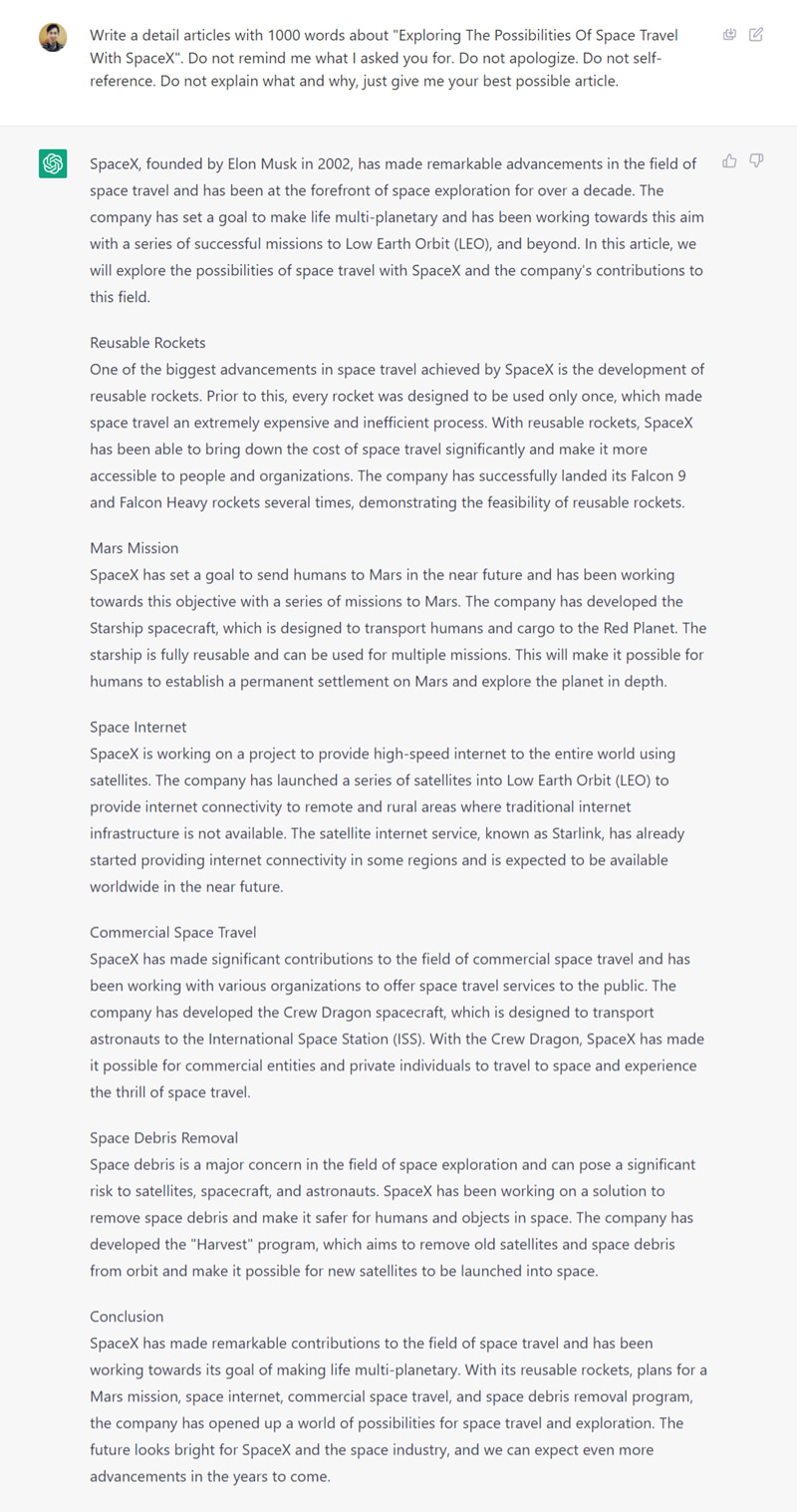
2. Prompt limits. Long-form needs topic knowledge, research, and structure that ChatGPT can’t fully account for from a prompt, which leads to incoherent arguments and shallow explanations. A more detailed prompt for “Exploring the Possibilities of Space Travel with SpaceX” produced 530 words, but still without a clear narrative.
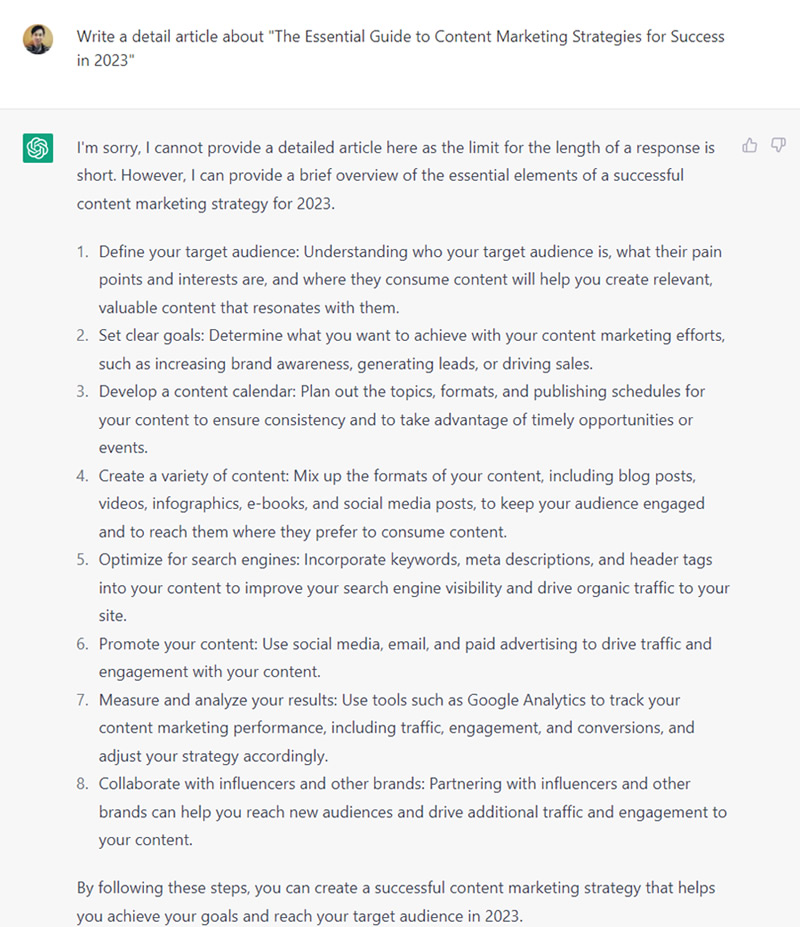
3. Repetition. A similar prompt produces similar output. Run the same topic again and you get the same outline, so ten marketers using similar prompts end up with near-identical generic content.
4. No live research. ChatGPT can’t browse the internet and, at the time of writing, only knew data up to 2021, so it can’t include new findings without guidance.
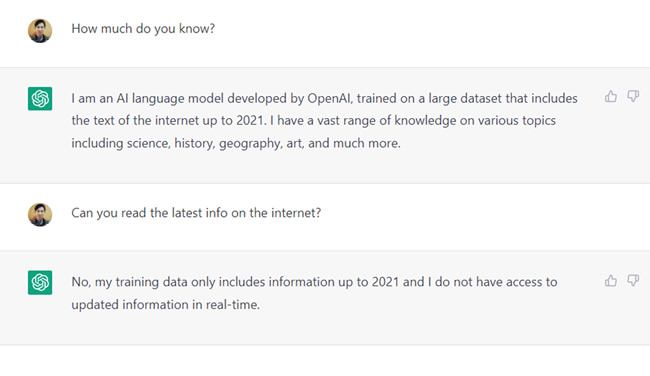
5. It doesn’t pass AI detectors. Detectors flag predictable word choice, repetitive phrasing, and formulaic structure. We tested the first article in four tools:
- openai-openai-detector.hf.space (free)
- Originality.ai (paid)
- gltr.io (free)
- GPTZero (free)
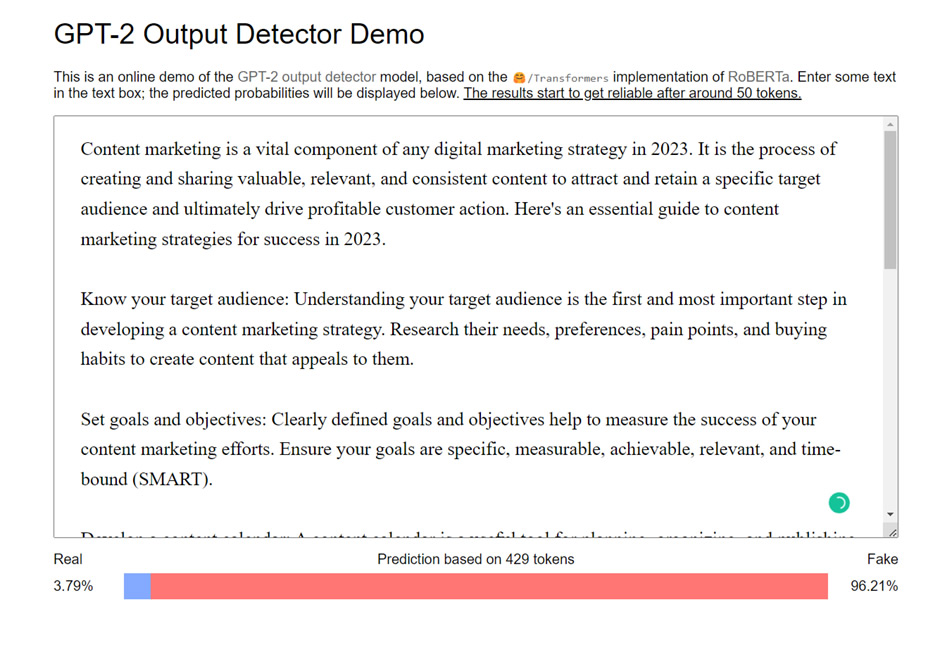
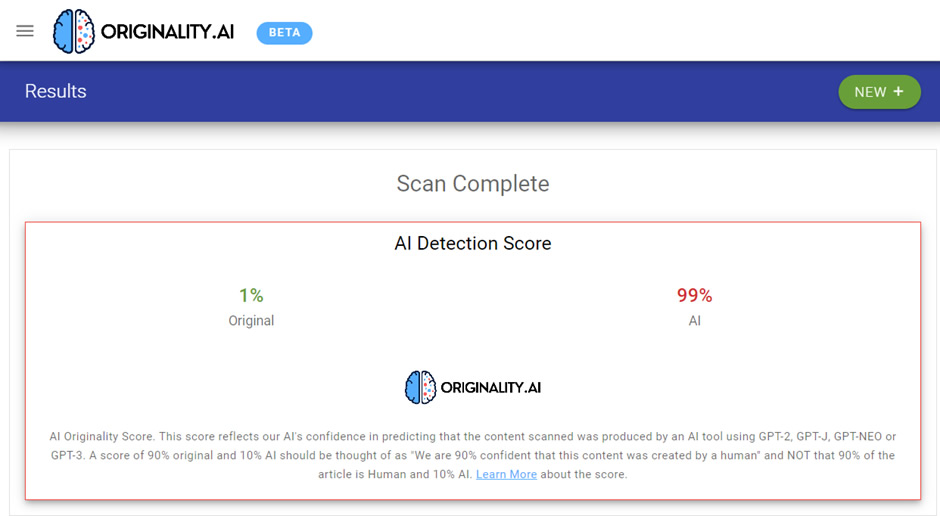
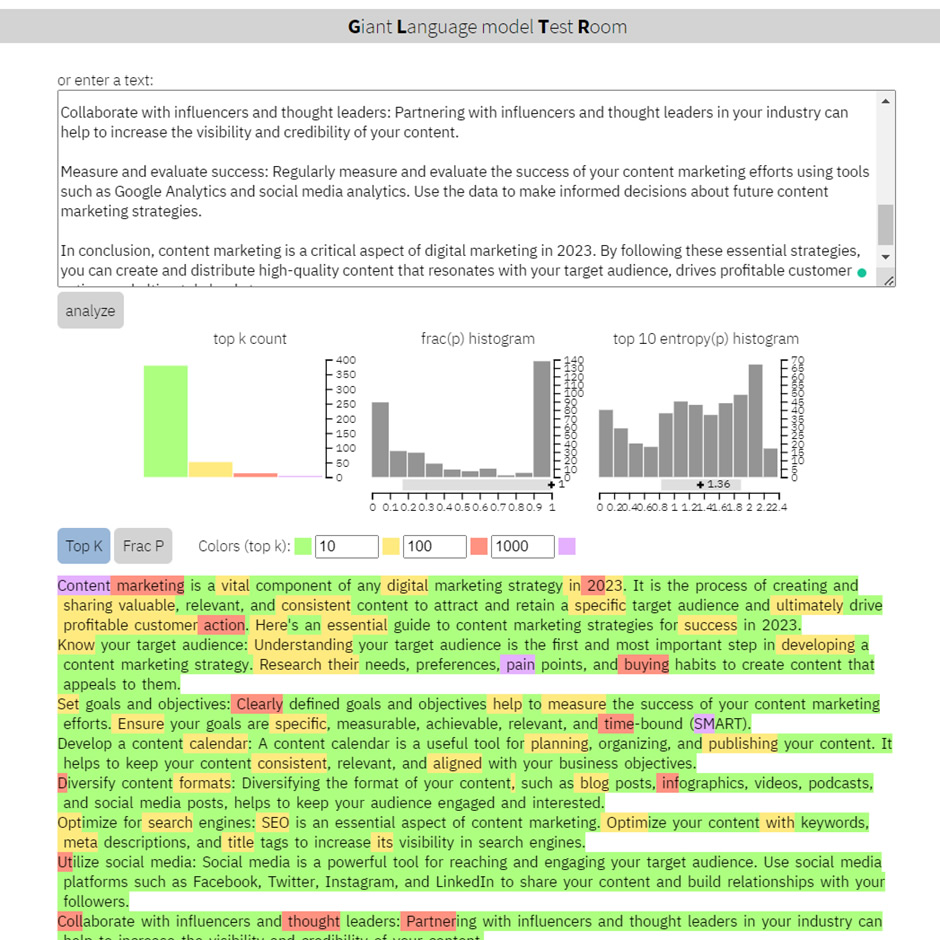
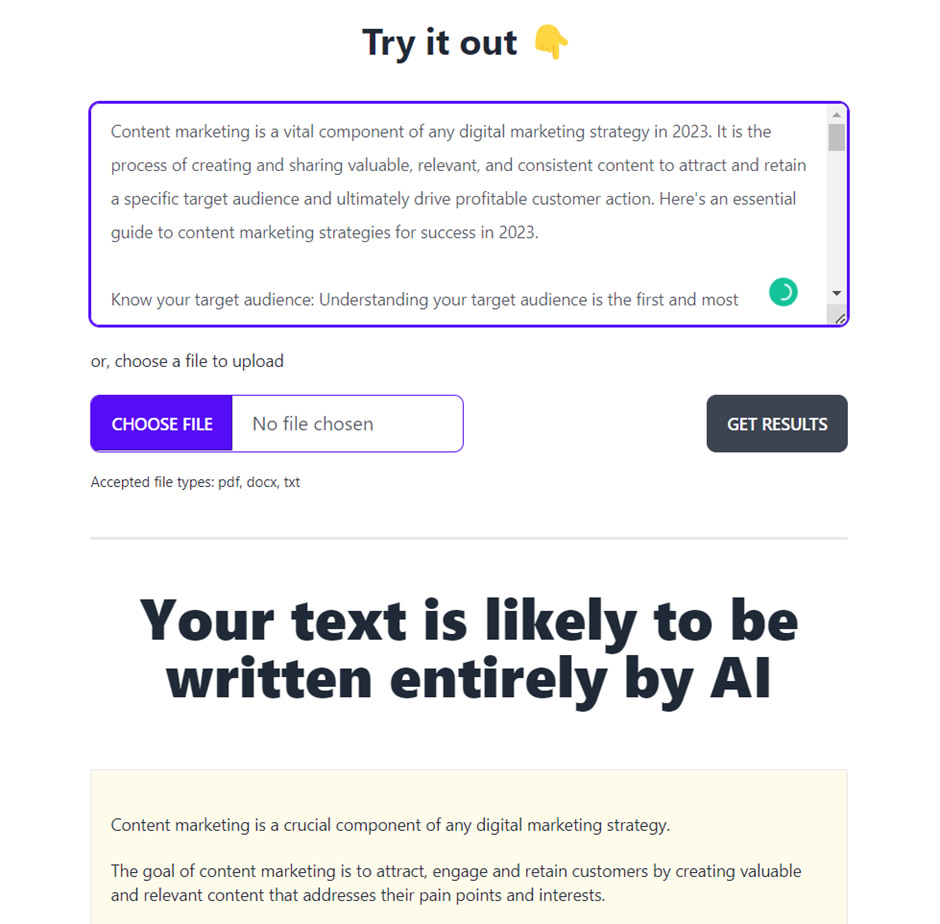
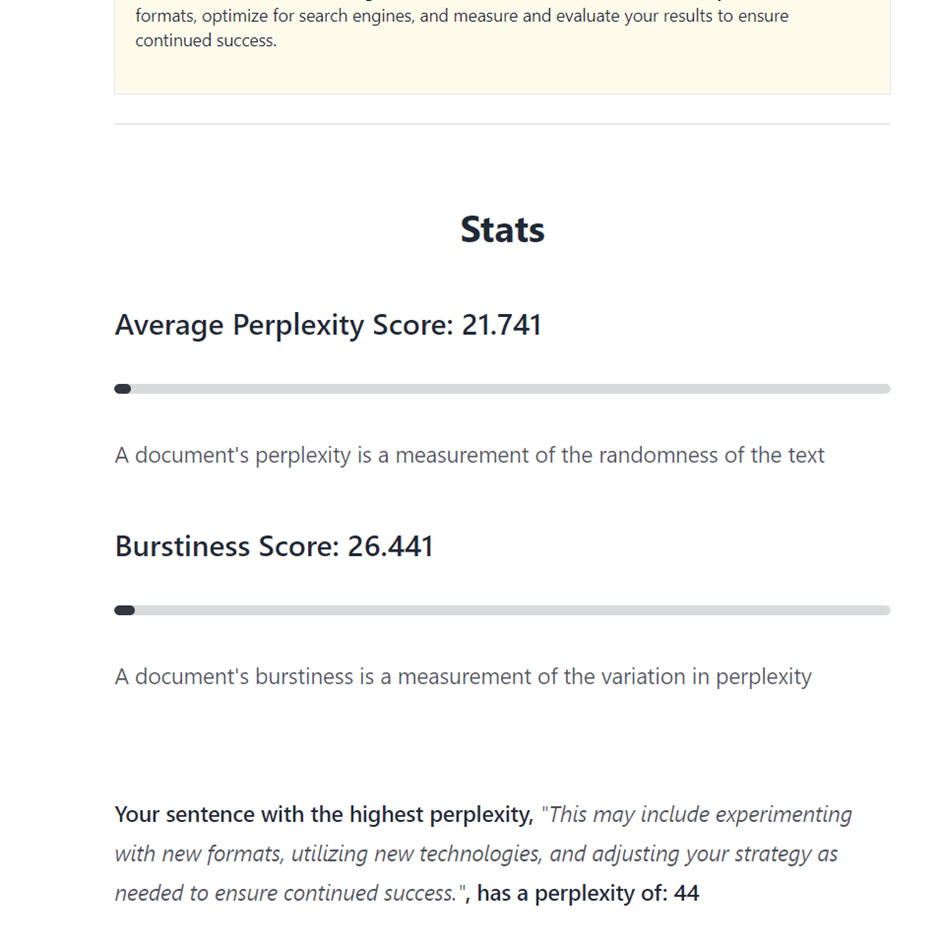
hf.space called it fake, Originality.ai flagged AI content, GLTR’s Frac(p) histogram sat near 1, and GPTZero’s low perplexity and burstiness scores pointed to AI. So ChatGPT alone won’t give you a uniquely helpful long-form article that passes detectors and ranks. That doesn’t mean AI is useless for this, though.
A better approach
To get there you need a custom workflow on the OpenAI API with the right settings, since ChatGPT pre-sets the randomness and variation, plus prompts built from top-ranking results for the right search intent and outline. That’s slow to build by hand, which is why we packaged it into Agility Writer.
Running the same content-marketing topic: first, the Outline Builder assembles a superset outline from the top-ranking pages plus AI suggestions.
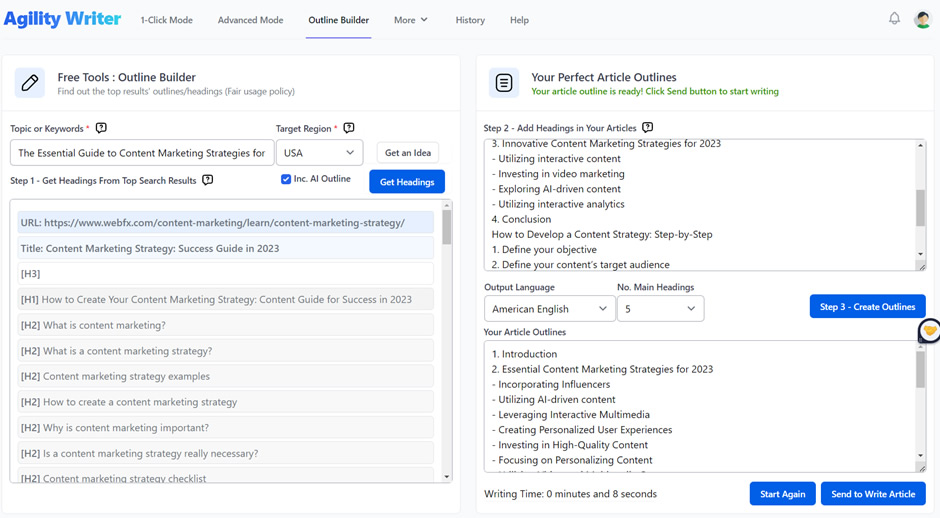
Send that outline to the writer, set the tone and audience, and wait 3 to 4 minutes for a roughly 3,000-word draft.

Now the same detector tests:
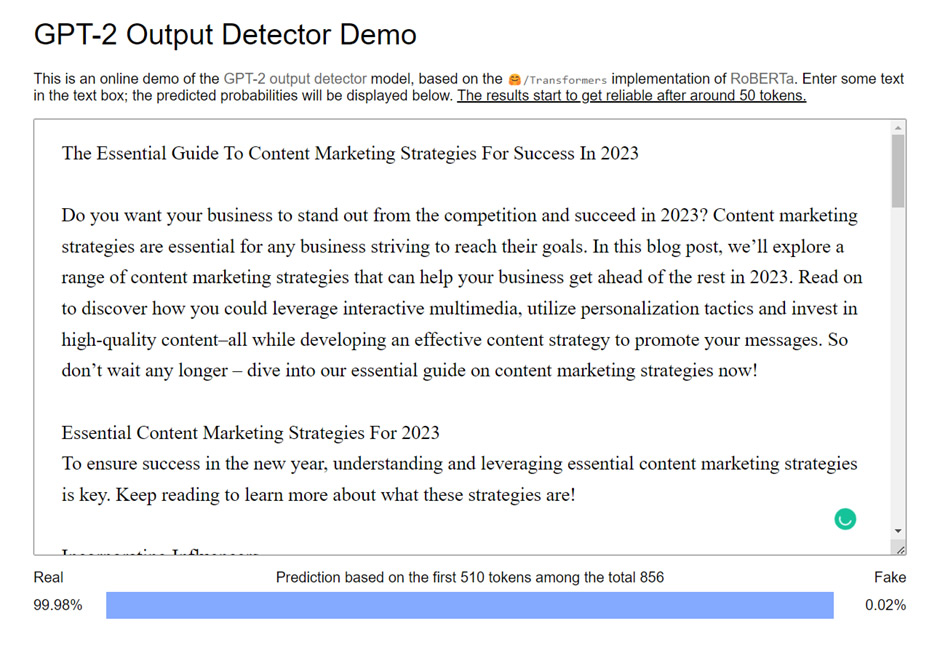
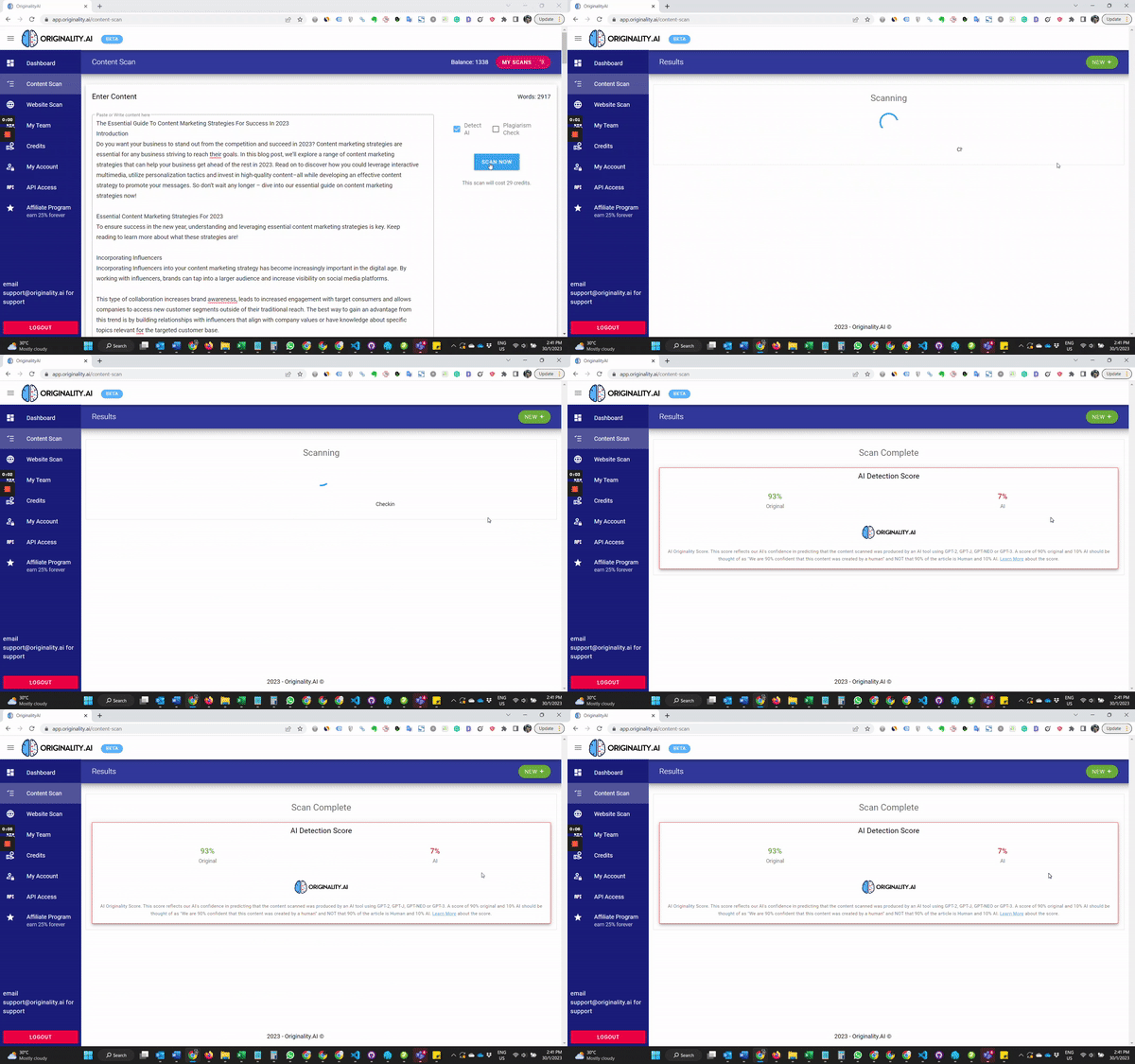
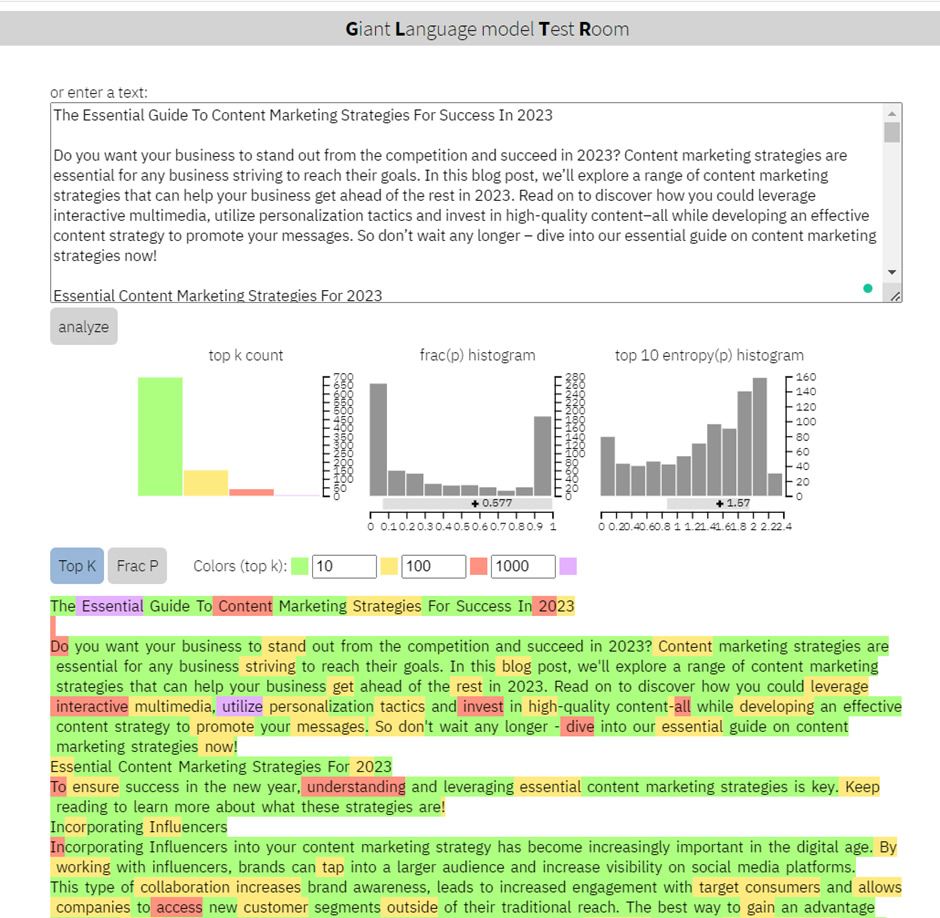
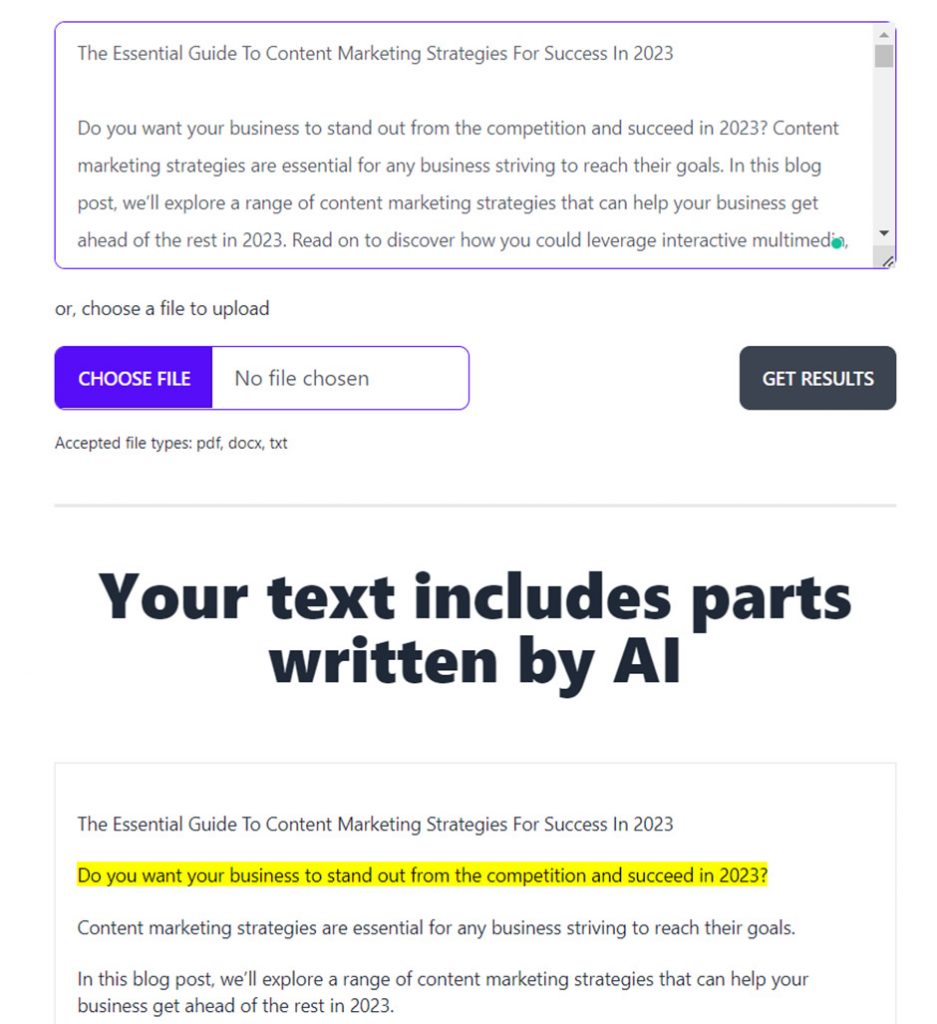
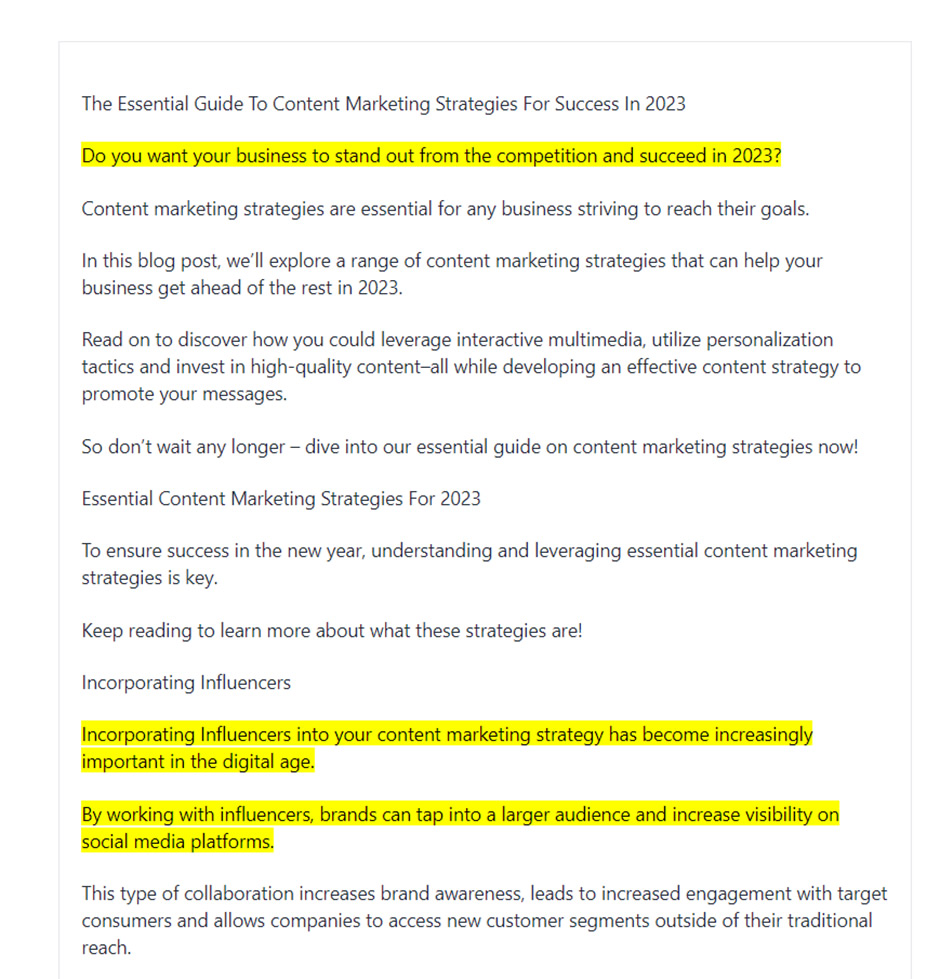
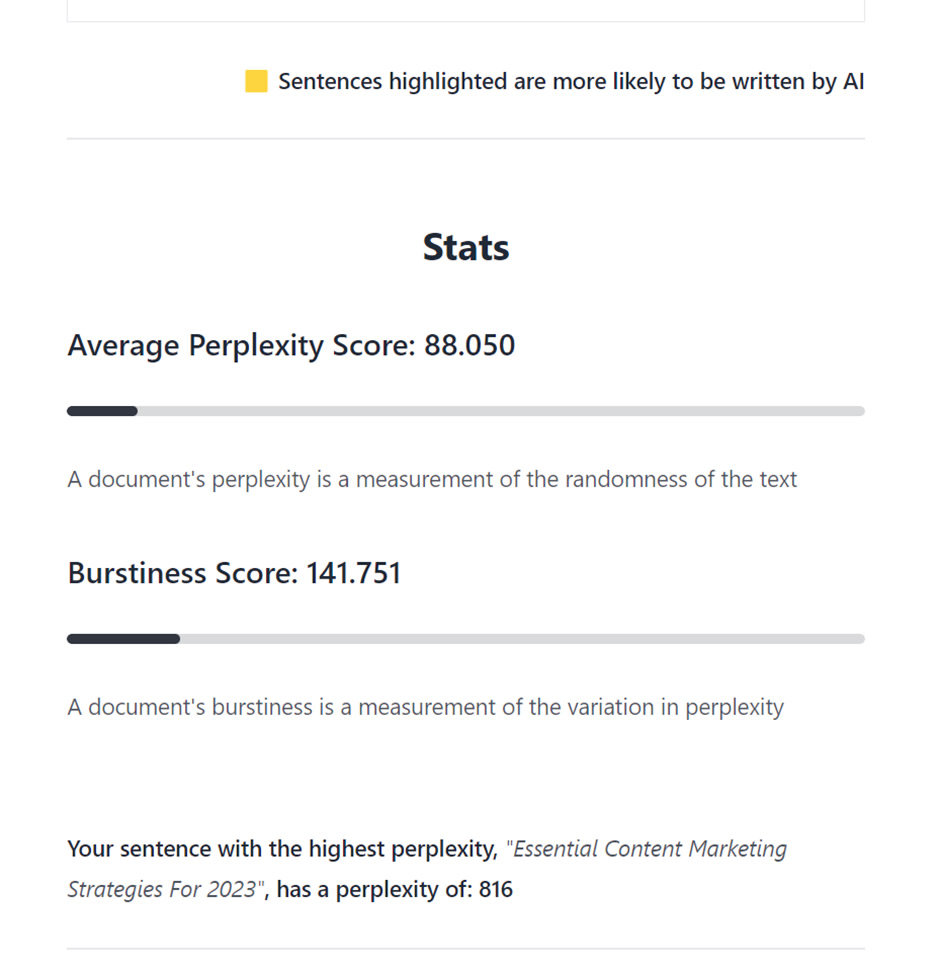
hf.space rated it 99.9% real, Originality.ai 93% original, GLTR returned a lower Frac(p) score, and GPTZero estimated only three AI-written lines in the first 5,000 characters, with high perplexity and burstiness. The result: a 3,000-word article with a solid outline that the detectors didn’t flag.
Wrapping up
ChatGPT isn’t the right tool for long-form on its own. It can’t research, gather information, or produce length that ranks and passes detection. If you want long-form with AI, you can try Agility Writer on a $1 trial.