

If your high-quality content stopped ranking after the March 2024 core update, you’re not alone. This builds on Eric’s analysis of the update, which matches what we’ve seen across our test and client sites. The short version: it isn’t about human versus AI content. If you read Eric’s piece, focus on points #10 and #12.
A site-wide “fulfillment score”?
Local businesses, e-commerce, forums, and resource or tool sites took minimal damage in recent updates, while niche and affiliate sites with high-quality content didn’t rank well regardless of authorship.
Eric describes a site-wide score that multiplies the page scores across a site. With a site-wide score of 0.5, a page scoring 80/100 effectively becomes 40/100. I prefer to call it a fulfillment score: how well a site meets its goals and satisfies users. Niche and affiliate sites mostly deliver “knowledge fulfillment” through reviews and information, and score low on this metric, which drags down every page.
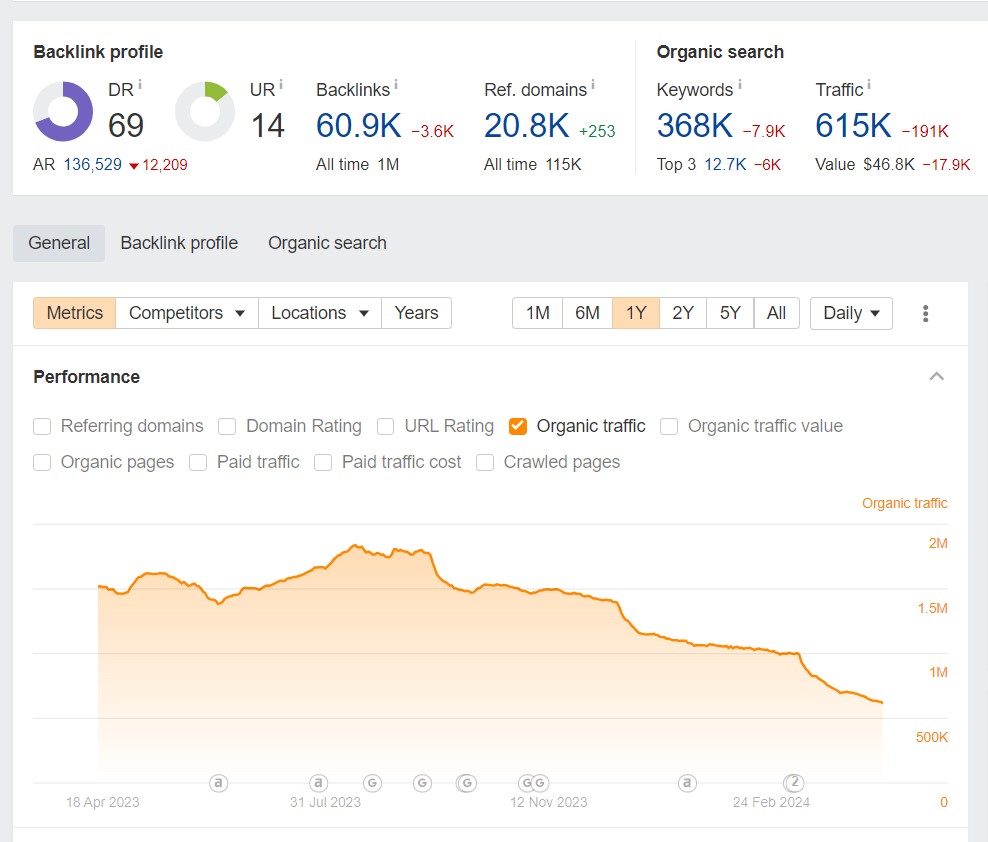
Non-affiliate sites clearly deliver “physical” or “functional” fulfillment, selling products or services. That seems to produce high fulfillment scores that lift their pages above better-written niche content. A few patterns we’ve observed:
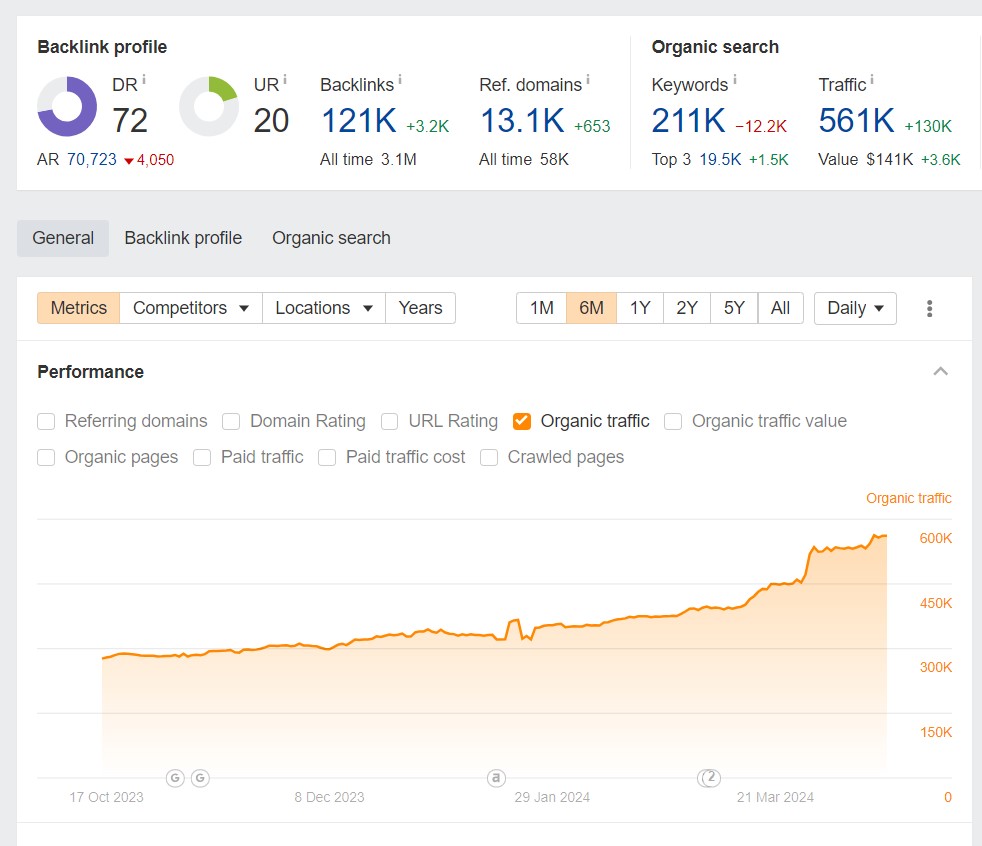
- Local service sites rank for transactional and commercial keywords even with “fake” e-commerce (an affiliate “Buy now” button instead of a real cart). We build traffic through local services, then layer in stores and review articles.
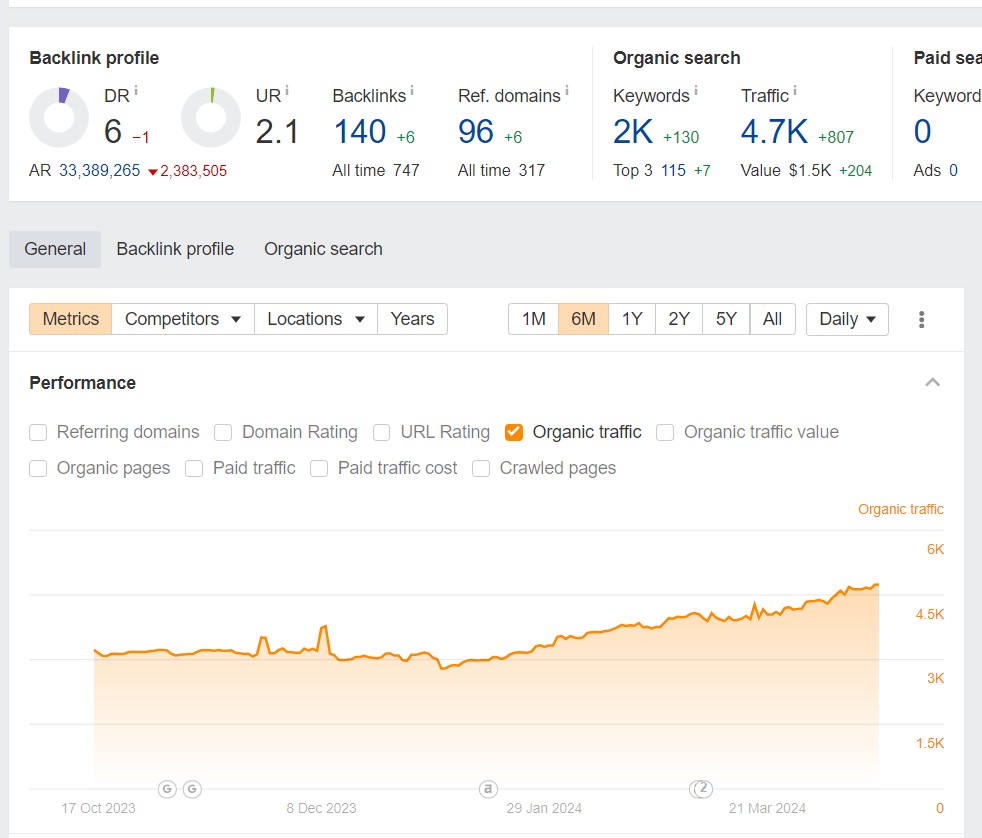
- E-commerce sites with minimal content rank for high-volume transactional keywords, and adding even generic review articles helps them rank for commercial terms too.
- Forum sites improve their commercial-keyword rankings noticeably once review articles are added.
Recovering from the update
Disclaimer: these strategies come from our own testing and are for informational purposes only. Implement them at your own risk.
Eric recommends adding a “resources” section (videos, PDFs, discussions, tools) and driving social traffic to it, on the theory that variety builds knowledge fulfillment. For niche sites the results are uncertain; one site that tried this in October 2023 to recover from HCU didn’t see the gains hoped for. In our testing, physical fulfillment seems to matter more. Lily Ray has noted how recipe sites rebounded by running a magazine, a bakery, cooking courses, or a farm alongside the recipes, all real activity that lifts the site’s fulfillment score.

You don’t need a full business to deliver some “physical” signal. A few creative routes:
- Start with a local site on a rank-and-rent model, then display affiliate products and rent the site to local businesses, lifting the site-wide score that boosts your affiliate content.
- Partner with local businesses by building or white-labeling their site, borrowing their established reputation to expand into affiliate content.
- Offer a premium course or consultation in your niche, not necessarily to sell it, but to raise the fulfillment score behind your affiliate content.
If you’re committed to niche sites, run them like a real business: interactive challenges and trackers, DIY project kits tied to tutorials, live workshops and webinars, subscription boxes, or cook-along live streams all add genuine engagement and fulfillment.
This may not work yet
These tactics may not produce immediate recovery, especially if a site is already penalized. As Koray explains, a site in decline needs to stabilize first: unpublish underperforming pages to raise the average quality, much like cutting losing positions in a portfolio to reallocate crawl budget. Then send social or paid traffic to signal new engagement and fulfillment, and once performance steadies, add more high-quality content.
What we’re testing next
We’re testing older affiliate sites and standing up new local service sites to see how they respond. After this update, the fulfillment score means site owners need to experiment with both content and services to keep up.